post_content
post_content\n
You wake up at 2am for no reason. Your energy crashes at 3pm. You feel bloated after eating foods your parents ate growing up. If any of this sounds familiar, your body might be running on a different clock than everyone else. Traditional Chinese Medicine (TCM) has mapped out exactly how your organs work on a 24-hour cycle – and most Western health advice completely ignores it.
After 10 years of chronic fatigue and digestive issues that dozens of doctors could not fix, I discovered the TCM body clock system. Within 3 months of eating, sleeping, and exercising according to this ancient schedule, my energy came back. This is not a cure-all. But for certain health problems that will not go away, working with your body clock might be the missing piece.

What Is the TCM Body Clock (12-Hour Meridian Schedule)?
The TCM body clock divides each 24-hour day into 12 two-hour blocks, each ruled by a different meridian – an energy pathway linked to a specific organ. This system comes from Huangdi Neijing, written over 2,000 years ago, and modern research keeps validating its accuracy.
In TCM philosophy, every organ has peak hours when it receives the most energy and can do its essential work most efficiently. When you sleep, eat, and exercise during these windows instead of fighting them, your body does not have to work as hard to maintain balance.
Researchers have confirmed that circadian rhythms – your body internal 24-hour clock – affect organ function, hormone levels, and metabolism. TCM mapped this 2,000 years before the word “circadian” existed.
Complete TCM Body Clock Schedule: 12-Hour Meridian Chart
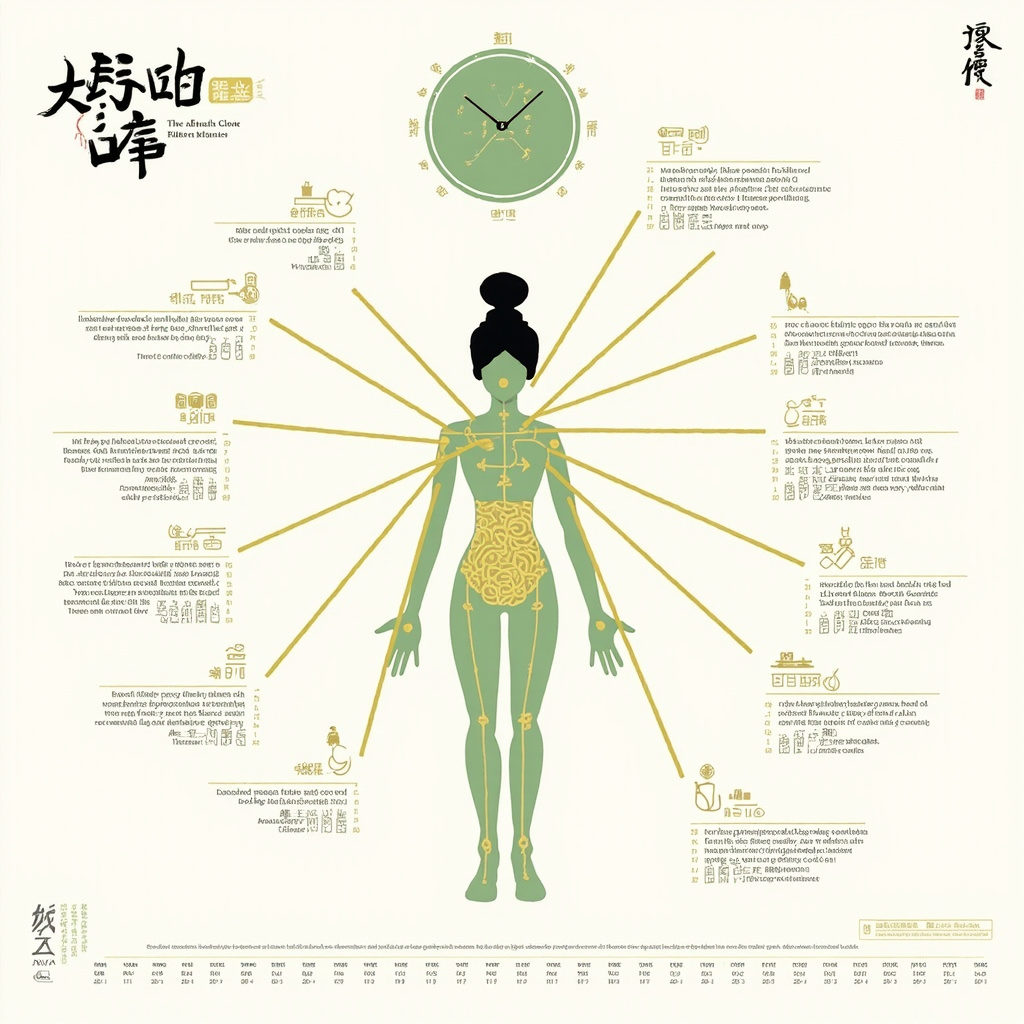
| Meridian | Hours | Peak Time | Primary Function | Health Focus |
|---|---|---|---|---|
| Gallbladder | 11pm – 1am | Midnight | Bile production, decision-making | Sleep quality, boldness |
| Liver | 1am – 3am | Late night | Blood filtration, detoxification | Detox, emotional balance |
| Lung | 3am – 5am | Pre-dawn | Breathing, immune defense | Respiratory health, immunity |
| Large Intestine | 5am – 7am | Dawn | Waste elimination, moisture balance | Digestive cleansing, skin health |
| Stomach | 7am – 9am | Morning | Food digestion, nutrient absorption | Digestive strength, appetite |
| Spleen | 9am – 11am | Late morning | Energy conversion, thinking | Mental clarity, muscle strength |
| Heart | 11am – 1pm | Noon | Blood circulation, emotional state | Heart health, joy balance |
| Small Intestine | 1pm – 3pm | Early afternoon | Nutrient absorption, separation | Digestive efficiency |
| Bladder | 3pm – 5pm | Mid-afternoon | Water metabolism, urine storage | Hydration, elimination |
| Kidney | 5pm – 7pm | Late afternoon | Energy storage, reproduction | Vitality, aging gracefully |
| Pericardium | 7pm – 9pm | Evening | Heart protection, circulation | Emotional wellness, relationships |
| Sanjiao (Triple Burner) | 9pm – 11pm | Night | Body temperature, fluid balance | Overall coordination, rest |
Detailed Guide: What to Do During Each Body Clock Hour
11pm – 1am: Gallbladder Meridian Peak
The gallbladder stores and releases bile, which is essential for digesting fats. In TCM, the gallbladder also governs your capacity for decision-making and courage. This is why Chinese medicine says a weakened gallbladder makes you indecisive.
Studies show bile production peaks between 11pm and 1am. If you are awake during this window on a regular basis, your bile production gradually declines, leading to poorer fat digestion, higher cholesterol, and increased gallstone risk.
People who regularly miss this sleep window often report: difficulty making decisions, poor fat tolerance, gallbladder attacks in their 40s and 50s, and increased reliance on caffeine for energy.
Practical tip: Be in bed by 10:30pm latest. If you are a night owl by habit, shift your schedule 30 minutes earlier every 2 weeks until you hit 10:30pm.
1am – 3am: Liver Meridian Peak
This is when your liver does its most critical work – filtering blood, processing toxins, storing glycogen for energy, and regulating hormone levels. Your liver also governs the menstrual cycle in women and testosterone production in men.

If you consistently wake up at 2am, your liver is likely overwhelmed. Common causes include: alcohol consumption after 9pm, late-night eating, prescription medications, and high stress levels.
The liver stores blood during rest. When liver blood is insufficient (from poor sleep or poor diet), you might experience: 2am wake-ups, dry eyes, mood swings, menstrual irregularities, or unexplained anger.
Practical tip: Stop alcohol by 9pm. Finish dinner by 8pm. If you take medications, ask your doctor if timing affects liver function.
3am – 5am: Lung Meridian Peak
The lung controls breathing and governs the immune system through its relationship with the skin and wei qi (defensive energy). This is also the time when grief and sadness are processed – the lung stores the po (soul aspect linked to physical sensation).
People with weak lungs often wake during this window. Asthma, COPD, and respiratory infections typically worsen between 3am and 5am because lung energy is most depleted then.
If you wake up coughing or with chest congestion, your lungs need attention. Lung Qi deficiency often shows up as: shortness of breath during exercise, frequent colds, chronic cough, and pale complexion.
Practical tip: Sleep with fresh air circulation (window cracked). Practice deep breathing exercises for 5 minutes upon waking. Avoid cold foods and drinks – they weaken lung Qi over time.
5am – 7am: Large Intestine Peak
The large intestine is most active during this window, making it the optimal time for bowel movements. In TCM, this organ also processes emotional baggage – specifically letting go of things you have been holding onto.
If you are constipated, your large intestine Qi is stagnated. This creates a cascade effect: waste builds up, toxins reabsorb into the bloodstream, and skin problems emerge because the skin is the third lung.
People with large intestine issues often hold onto things emotionally too – grudges, past hurts, old beliefs that no longer serve them. The large intestine wants to release. Give it a chance.
Practical tip: Drink 16oz of room temperature water upon waking. Sit on the toilet for 10 minutes even without the urge – your body learns the pattern. Gently massage your abdomen clockwise for 2 minutes before defecating.
7am – 9am: Stomach Meridian Peak
The stomach produces the most digestive enzymes during these hours. Skipping breakfast essentially tells your stomach its work does not matter – and over time, digestive weakness develops.
In TCM, the stomach is the source of postnatal Qi – the energy you get from food and breath. Weak stomach Qi means chronic fatigue that sleep does not fix, bloating after meals, and food intolerances that worsen with age.
Research confirms that people who eat breakfast have better metabolic markers and lower obesity rates. But quality matters too – a breakfast of processed cereal is not the same as whole foods with protein and vegetables.
Practical tip: Eat your largest meal between 7am and 9am. Include protein (eggs, tofu, fish) and cooked vegetables. Cold smoothies and raw salads in the morning weakens stomach Qi in TCM theory.
9am – 11am: Spleen Meridian Peak
The spleen transforms food into usable energy (Qi) and governs the muscles and mental processing. This is your peak cognitive window – clearest thinking, best concentration, highest productivity for mental work.
TCM also links the spleen to overthinking and worry. If your mind races during this window instead of focusing, your spleen might be struggling with dampness (a TCM pathology related to poor fluid metabolism).
Spleen weakness is epidemic in modern life: too much sugar, cold drinks, raw foods, sitting all day, and stress all damage spleen function over time. Signs include: brain fog after meals, sugar cravings, easy bruising, and weak limbs.
Practical tip: Schedule your most demanding mental work between 9am and 11am. Avoid multitasking – the spleen dislikes scattered energy. Drink warm beverages instead of cold.
11am – 1pm: Heart Meridian Peak
The heart governs blood and houses the shen (spirit/mind). This window is about circulation and emotional equilibrium. High stress during these hours is particularly damaging to cardiovascular health.
TCM makes a specific connection between heart health and joy – the heart stores the shen, which manifests as zest for life. Too much joy (excitement) or too little (depression) both disturb the heart. Balance is key.
Modern correlations: heart attacks peak between 11am and noon, validating TCM observations about heart vulnerability during these hours. Midday rest, even 10 minutes, significantly reduces cardiac strain.
Practical tip: Take a 10-minute eyes-closed break around noon. Avoid heated arguments and high-pressure decisions. Eat lunch slowly and calmly.
1pm – 3pm: Small Intestine Peak
The small intestine separates clean from impure – absorbing nutrients while passing waste to the large intestine. This continues the digestive process started in the morning but at a gentler pace.
If you snack constantly during this window, you disrupt the small intestine separation function. Over time, this leads to nutrient deficiencies despite adequate food intake and increasing food sensitivities.
People with small intestine issues often feel fatigued after eating, experience abdominal bloating, and have stools that are difficult to flush (indicating poor fat absorption).
Practical tip: Finish lunch by 1pm. Avoid heavy foods and excessive snacking until 3pm. If you need something, eat a small handful of nuts or seeds.
3pm – 5pm: Bladder Meridian Peak
The bladder is the longest meridian in the body and manages water metabolism throughout all organs. This is one of the best times for exercise – your body can efficiently process fluids and clear metabolic waste through sweating.

In TCM, the bladder also stores anxiety and fear (the water element is linked to these emotions). People with weak bladder meridians often have generalized anxiety, especially around water or financial matters.
Hydration during this window has maximum benefit – water is processed efficiently and distributed to tissues that need it. Conversely, dehydration during bladder hours has maximum damage.
Practical tip: Drink 16-24oz of water between 3pm and 5pm. This is the ideal window for cardio exercise, swimming, or qi gong. Do not hold urine – your bladder needs to empty completely.
5pm – 7pm: Kidney Meridian Peak
The kidneys store Jing (essence) – your inherited constitutional reserve that determines growth, reproduction, and aging rate. This is the most important window for replenishing kidney energy through rest and specific foods.
Kidney deficiency is epidemic in modern society: overwork, stress, stimulant abuse (caffeine, Adderall, etc.), and excessive screen time all drain kidney reserves. Signs include: lower back pain, knee weakness, premature graying, low libido, and chronic fatigue that sleep does not resolve.
Western medicine correlates kidney function with adrenal health (kidneys produce adrenaline precursors). Adrenal fatigue and kidney deficiency describe essentially the same condition from different medical frameworks.
Practical tip: Rest during this window instead of pushing harder. Warm foot soaks (20 minutes, slight sweating) strongly benefit kidney energy. Avoid strenuous exercise after 6pm – it drains kidney reserves.
7pm – 9pm: Pericardium Meridian Peak
The pericardium protects the heart and governs circulation in the chest. This window is about unwinding and transitioning from activity to rest – your body needs this transition time.
People who go from work directly to intense exercise to late-night screens without a transition window often develop heart-related issues in their 40s. The pericardium needs gentle activity, not stimulation.
In TCM, the pericardium also governs relationships and social connection. Neglecting this window by working late or isolating yourself strains the pericardium over time.
Practical tip: Gentle stretching, walking with a partner or pet, or light yoga during these hours. Avoid competitive sports, intense gym sessions, or emotionally charged conversations.
9pm – 11pm: Sanjiao (Triple Burner) Meridian Peak
The Sanjiao regulates body temperature, water passageways, and coordination between the three body cavities (upper: heart/lungs, middle: stomach/spleen/liver, lower: kidneys/bladder/intestines). This is your body systems integration window.
During sleep, the Sanjiao directs energy downward and inward for restoration. If you are still highly active (work, exercise, screens) during this window, your Sanjiao cannot complete its coordination work – and you wake up feeling unrefreshed despite adequate sleep hours.
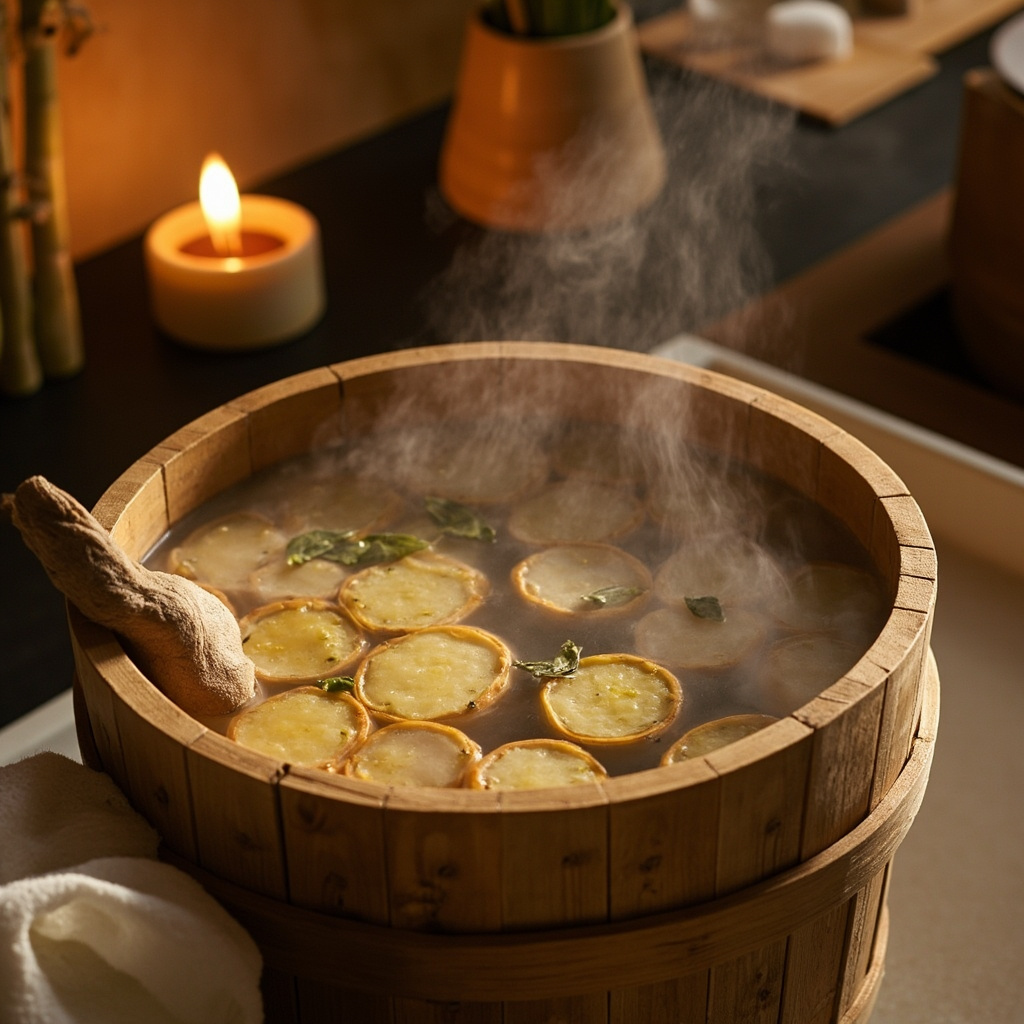
TCM practitioners often evaluate Sanjiao function by asking about sleep onset and body temperature regulation. Difficulty falling asleep often indicates Sanjiao heat (overactive upper burner). Night sweating indicates Sanjiao deficiency.
Practical tip: Warm foot bath (10-15 minutes with ginger or eucalyptus) harmonizes the Sanjiao and facilitates sleep onset. Avoid screens by 10pm. Body temperature naturally drops after a warm bath – this signals the brain it is time for sleep.
How to Start Using the TCM Body Clock: A Practical Checklist
Do not try to change everything at once. Start with the changes that require no equipment or cost:
- Sleep by 11pm – protecting gallbladder and liver windows takes priority
- Morning water ritual – 16oz room temperature water upon waking between 5-7am
- Real breakfast between 7-9am – protein and cooked vegetables, not cold cereal
- Biggest water intake between 3-5pm – aligns with bladder meridian peak
- Evening foot bath by 9pm – prepares the whole body for quality sleep
- Finish eating by 8pm – allows liver and gallbladder to focus on detoxification during their peak hours
After 2-3 weeks of these baseline habits, you will likely notice improvements in energy, digestion, and sleep quality. Then you can layer in more specific practices like targeted exercises for different hours, meridian stretches, or dietary adjustments based on your constitution.
FAQ: Common Questions About the TCM Body Clock
Does the TCM body clock actually work?
Modern circadian rhythm research validates the basic concept – organ function fluctuates in 24-hour cycles that align remarkably well with the TCM meridian schedule. However, individual variation exists. Some people shift 1-2 hours from the standard schedule based on their constitution. Pay attention to your body signals rather than rigidly adhering to the clock.
What if I cannot sleep during the liver hours (1-3am)?
If you regularly cannot sleep during liver hours, consider having your liver function evaluated. Common causes include: alcohol consumption, late-night eating, medication effects, or underlying liver pathology. A TCM practitioner can assess liver heat or liver blood deficiency patterns and recommend appropriate herbs or dietary changes.
Can I shift my body clock if I work night shifts?
Night shift workers experience what TCM calls “kidney vacuity” and “heart blood deficiency” – their organs never get their peak restoration windows. If night shifts are unavoidable, prioritize sleep quality during daylight hours: blackout curtains, white noise, consistent sleep schedule even on days off, and protective herbal formulas (consult a TCM practitioner).
How long before I see results from following the body clock?
Most people notice sleep improvements within 1-2 weeks. Digestive changes typically emerge within 2-4 weeks. Energy level improvements and reduced afternoon crash become noticeable around week 4-6. Full body constitution shifts usually require 3-6 months of consistent practice.
Is it okay to exercise during any hour?
Light exercise is acceptable during most hours, but intense cardio is best during bladder hours (3-5pm) when metabolism peaks. Gentler exercise like tai chi or walking suits liver hours (1-3am) if you must be awake. Avoid strenuous exercise during heart hours (11am-1pm) and kidney hours (5-7pm) – both organs are most vulnerable during their peaks.
Next Steps: Dive Deeper Into TCM Health
If you found this guide useful, explore these related topics:
- Moxibustion: The Complete Guide to Mugwort Heat Therapy – Boost your body clock with traditional warming techniques
- Gua Sha: Ancient Scraping Technique for Modern Wellness – Support your meridians with this simple self-care tool
- Baduanjin: Complete Beginner Guide to the 8-Section Qi Gong – Perfect exercise timing for different body clock hours
- Dampness in the Body: Signs, Causes, and Natural Remedies – The #1 energy blocker in modern health
This article is for informational purposes only and does not constitute medical advice. Always consult a qualified healthcare provider before starting any new health regimen, especially if you have existing medical conditions or take prescription medications.
\\n
Leave a Reply